

At Mini Morgans Nursery in Hertford, we know that learning through play is key to developing problem-solving skills in early childhood. This article explores how play-based learning nurtures critical thinking and essential skills that are vital for future learning. cognitive development, making it essential reading for anyone interested in early childhood education.
How Does Play Foster Problem-Solving in Early Childhood?
Play helps children learn to solve problems by encouraging them to think critically and experiment with different solutions, play offers valuable learning opportunities. Through play activities, children encounter challenges that require them to find creative solutions, fostering essential problem-solving skills from an early age, children play to develop essential skills and emotional resilience.
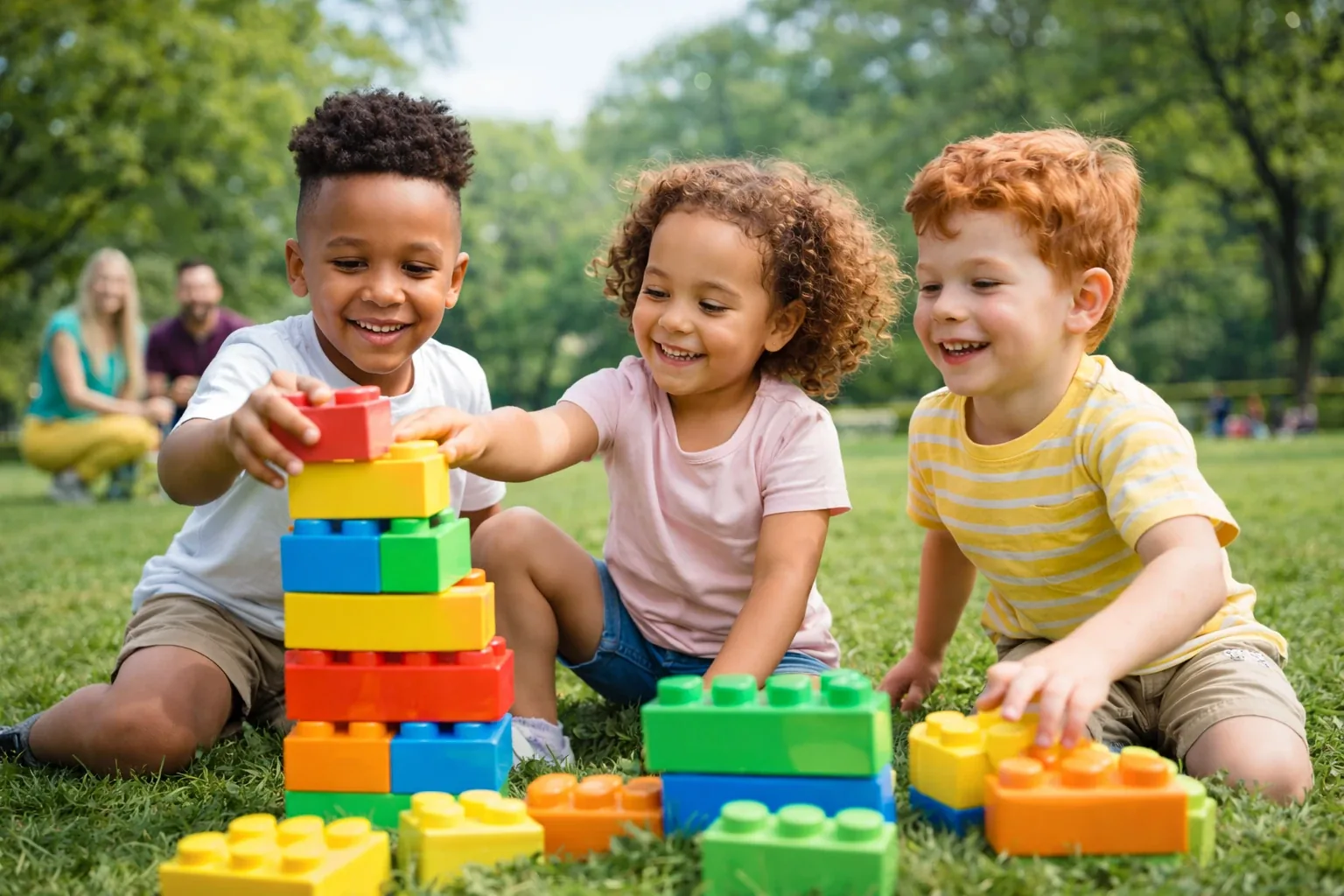
Play also promotes open-ended play, which allows children to explore multiple ways of approaching tasks. Whether stacking blocks or navigating an obstacle course, children are using thinking skills and building their ability to resolve conflicts independently.
The Cognitive Benefits of Learning Through Play
Learning through play supports cognitive development by stimulating brain development and enhancing essential cognitive skills such as critical thinking and decision-making. Engaging in play allows children to explore and understand the world around them, promoting early development of these vital thinking skills.
A strong focus on play-based learning also supports learning and development are significantly enriched by the benefits of play-based learning. across other domains, including memory, concentration, and logical reasoning. This makes play a critical learning approach within early years education benefits from play offers that enhance problem-solving through play..
Understanding the Power of Play in Child Development
The power of play is crucial in child development, offering diverse opportunities to help children develop essential skills. play that supports physical, emotional, and social growth. Play provides an engaging and enjoyable way for children to learn and develop, making it a cornerstone of quality early childhood education.
Through structured and unstructured play, children explore their environment, develop self-confidence, and lay the groundwork for more complex learning later on. This illustrates why play is crucial in the approach to early childhood education.
How Does Play Enhance Motor Skills?
Different forms of play significantly enhance both gross and fine motor skills. Activities like climbing, hopping, or throwing a ball support gross motor skills, while tasks like threading beads or cutting shapes develop fine motor skills.
Active play helps children strengthen coordination, control, and endurance. These physical skills are fundamental to a child's emotional development. physical development and contribute directly to problem-solving when engaging in tasks that require dexterity and control.
Can Play Improve Social Skills in Children?
Yes, play can greatly improve social skills. When children engage in play, especially in groups, they learn to communicate, share, negotiate, and resolve conflicts, which are all essential skills. These are vital emotional and social skills that help children function in society.
Social play, in particular, encourages collaboration and teaches children to make decisions in a group setting. Play encourages children to consider others' perspectives and to cooperate towards common goals, skills they'll use throughout life.
The Role of Imaginative Play in Problem-Solving
Language development is deeply enriched through play-based learning. Activities that involve storytelling, role play, or games with instructions help improve language skills and communication.
Through both guided play is an effective method to help children develop critical thinking and problem-solving skills. and child-led play, children are encouraged to express ideas, ask questions, and listen, all of which support children's language and social communication growth.
What Are the Different Kinds of Play?
There are many kinds of play, each offering unique learning opportunities:
- Free play: Child-directed, spontaneous play nurtures critical thinking and problem-solving through play.
- Structured play: Adult-guided activities with set objectives.
- Constructive play: Building and creating with materials.
- Dramatic play: Role-play or acting out scenarios
- Outdoor play: Physical exploration in natural environments.
Each form of play helps children to explore the world and their place within it, encouraging independence and confidence.
Creating an Effective Learning Environment for Play
A rich play environment provides numerous benefits of play-based learning. A learning environment is essential to maximise the benefits of play. This includes offering varied play opportunities, both indoors and outdoors, and allowing space for children to make choices.
Educators and parents should prioritise play by providing materials that support playful learning, blocks, costumes, natural objects, and by ensuring that the environment is safe and stimulating. Space for children to move, imagine, and interact is critical for learning success.
Why Play is Vital in Early Childhood Education
Play is the key to early years development, supporting all aspects of children's learning is enhanced when they engage in play that fosters skills through play.. It is through play that children learn, practise new skills, and express themselves.
As outlined in the UNICEF Early Childhood Development framework, high-quality early development is driven by nurturing relationships and opportunities for play. The importance of play cannot be overstated when designing effective teaching and learning are enhanced when the role of play is integrated into the curriculum. approaches.
Key Takeaways
- Play fosters essential problem-solving skills in early childhood.
- Play supports cognitive development and critical thinking.
- Imaginative play enhances creativity and problem-solving.
- Social skills are developed through play activities.
- A well-organised play environment is vital for effective learning.