
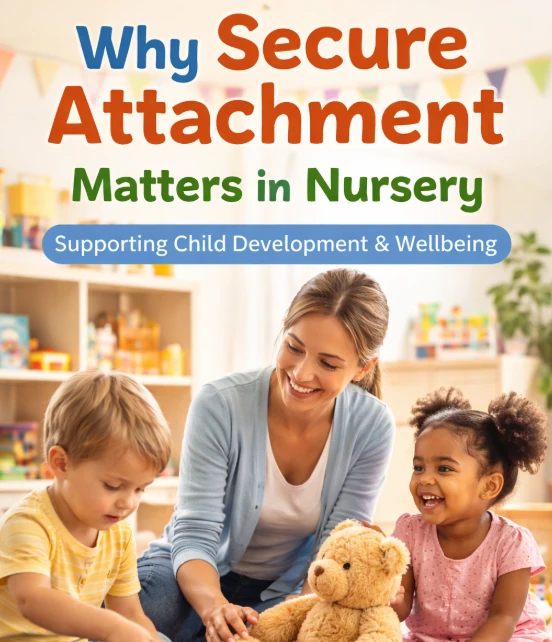
When choosing a nursery in Hertford, it's crucial to understand why secure attachment and the key person approach are central to your child's early emotional and social growth. This article explores how these concepts underpin child development, especially within early years settings, and how Mini Morgan's philosophy aligns with best practices in childcare, supporting children and families.
Whether you're a parent, carer, or early years educator, this guide offers vital insights into how consistent, responsive relationships in nursery settings build the foundations for lifelong mental health and wellbeing.
What is Secure Attachment and Why Does It Matter?
A secure attachment forms when a young child builds a consistent, trusting relationship with a primary caregiver, which is vital for the child's attachment. In the first few years, the brain is rapidly growing and forming neural connections. A secure base to explore the world allows the child to return to a nurturing adult when they feel uncertain, ensuring they develop healthy emotional and social behaviours essential for their attachment relationships.
Children with a secure attachment often demonstrate greater social development, independence, and emotional wellbeing throughout life, benefiting from their early experiences. In contrast, insecure attachment can hinder development and future learning, affecting children's social and emotional wellbeing.
How Does the Key Person Approach Work in a Nursery?
At Mini Morgans, the key person approach ensures every child is paired with a dedicated adult who understands their individual needs. This strategy supports secure attachments with their primary nursery carer, replicating the nurturing environment provided by a primary attachment figure at home.
The key person helps a child to feel safe, heard, and valued, which is essential for a child's emotional resilience and confidence.
Why Attachment Theory is Still Relevant in Early Years Education
Attachment theory, developed by Bowlby and later expanded by Mary Ainsworth, explains how early relationships affect human development. Ainsworth's research categorised attachment styles, noting the profound effect of early interactions on future relationships.
Understanding attachment behaviours helps educators build positive relationships that shape a child's development. These years of life are well beyond preschool years, significantly impacting future development.
What Role Does the Nursery Play in Forming Secure Attachments?
In nursery settings, especially in Hertford, the environment must encourage nurture, closeness, and consistent and responsive care. A child's experience in these settings significantly influences their attachment history.
An effective early years setting builds bridges between home and nursery, allowing babies and young children to form secure bonds that reduce separation anxiety and boost mental health and wellbeing.
What Are the Different Types of Attachment and Their Impact?
Research identifies various types of attachment:
- Secure attachment: Trust in the caregiver's presence and support
- Insecure attachment: Anxiety or avoidance due to inconsistent responses
Children who form secure attachments tend to manage stress better and show healthier peer relationships. In contrast, inconsistent care may lead to challenges in child and adolescent mental health.
How Does Brain Development Relate to Early Attachments?
During early childhood, the brain undergoes rapid changes that are influenced by a child's attachment experiences. Responsive caregiving supports early brain development and the building of healthy brain architecture, which is crucial for a child's attachment. These neurological patterns, influenced by early attachment, affect a child's brain function, including regulation of behaviour and emotions, which are crucial for their social and emotional growth.
Supporting attachment in the early years is, therefore, fundamental to long-term cognitive and emotional success.
What Can Parents and Carers Do to Support Secure Attachments?
Supporting parents and carers in their efforts to provide consistent love and structure is essential. At Mini Morgans, parents are seen as partners in a child's journey, emphasizing the importance of adult attachment in their development. It's important that parents and nursery staff align to ensure a child forms a secure attachment.
By understanding their child's emotional needs and being responsive, parents help reduce child protection issues and promote overall health and wellbeing.
How the Key Person's Role Influences a Child's Wellbeing.
The key person's role is not just administrative; it's relational, especially in fostering attachment relationships with children and families. This adult figures prominently in a child's mental health, offering stability and familiarity. When children feel known and valued, their wellbeing improves, and their learning flourishes.
An effective key person builds positive relationships that support emotional resilience and encourage safe exploration of new experiences.
Why Secure Attachments in Nursery Matter for Long-Term Outcomes
The impact of secure early bonds extends throughout life. Children benefit from emotional literacy, better school readiness, and stronger social skills. These foundations, laid early in life, influence the years of a child's life academically, socially, and mentally. These early emotional foundations also support a child's ability to understand others, showing empathy and kindness as they grow, skills that are actively nurtured through supportive childcare experiences.
From Hertford to homes across Hertfordshire, the care offered by high-quality nurseries like Mini Morgans directly affects the impact on the child's emotional health and future potential.
Key Takeaways
- A secure attachment in nursery builds a strong emotional foundation for your child.
- The key person approach fosters trust, stability, and responsive care in early years settings.
- Attachment theory, pioneered by Bowlby's attachment work and expanded by Mary Ainsworth, highlights the long-term effects of early bonds.
- Consistent caregiving during the first few years is critical for healthy development and child's mental health.
- Working together, parents and carers, nurseries, and key persons help children form a secure attachment and thrive emotionally and socially.